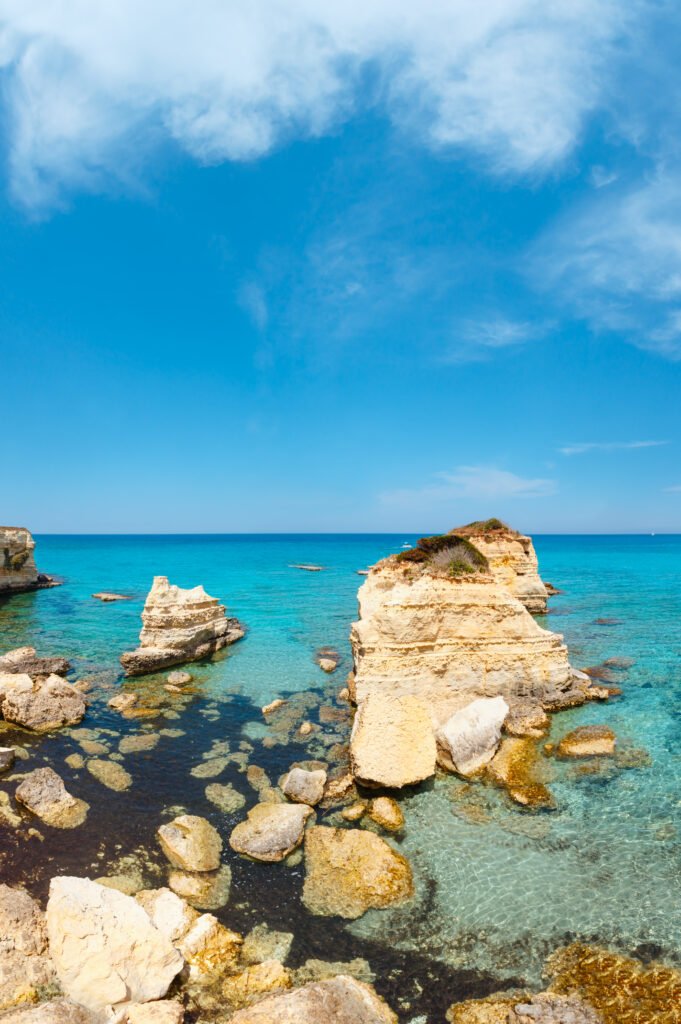
For decades, Paphos was known as a beautiful tourist destination and a quiet retirement haven. That has completely changed. Today, Paphos is arguably Europe’s #1 relocation destination for entrepreneurs and families seeking the ultimate work-life balance.
Why the shift? While Limassol built high-rises, Paphos invested in infrastructure that matters for daily life: upgrading its international airport, enhancing its old town, and fostering a community that values balance over “hustle”. As relocation experts who have seen clients move all over the island, we’ve watched Paphos transform. It’s no longer just a “lifestyle choice”; for many, it’s a superior business choice. This is our 2026 guide to living in Paphos.
The Paphos vs. Limassol Dilemma (Solved)
This is the first question every client asks. Here is the simple answer:
Limassol is a “Business Hub.” It’s a fast-paced, expensive, high-energy city. You move there if your business must be in a physical, corporate environment (e.g., shipping, Forex).
Paphos is a “Lifestyle Hub.” It’s relaxed, significantly cheaper, and built around family and community. You move there if your business is on your laptop (e.g., Tech, E-commerce, Consulting).
The modern entrepreneur (post-COVID) has realised they don’t need the “hub.” They need quality of life, low costs, and a great airport. Paphos delivers all three.
The Real Cost of Living in Paphos (2026 Prices)
Paphos remains significantly more affordable than Limassol. The cost of living is where you will feel the biggest difference.
Rent (The Big One):
Limassol: A modern 2-bed apartment in a desirable area can easily cost €2,500 – €3,500+ per month.
Paphos: A similar 2-bed apartment is closer to €1,200 – €1,800. A 3-4 bedroom villa with a private pool (the “Paphos dream”) can be found for €2,000 – €3,000.
Utilities: Expect to pay €150 – €300 per month for electricity (AC is essential in summer) and water.
Food & Groceries: Very reasonable. A family of four can budget around €800-€1000/month for high-quality food from supermarkets like Papantoniouhttps://www.papantoniou.com.cy/ or Lidl.
Eating Out: This is where Paphos shines. A fantastic meal with wine at a local taverna can cost €25-€30 per person. A coffee (Freddo Espresso) is around €2.50.
Paphos Neighbourhoods Explained: Where to Live
Choosing your neighbourhood is key. Each has a distinct personality.
Kato Paphos (The Harbour): The tourist heart. Great for holiday apartments, but few expats live here full-time. It’s vibrant, walkable, and close to the sea, but can be loud in summer.
Universal (The Expat Hub): A large, modern area between the Old Town and the harbour. Very popular with expats. It’s all apartments, but it’s central, walkable, and has a community feel.
The Old Town (Pano Paphos): The cultural, authentic heart. Full of beautiful colonial-era buildings, wine bars, and artisan shops. It’s more “Cypriot” and has a fantastic, trendy vibe.
Chlorakas & Kissonerga (The “In-Between”): Perfectly located between Paphos town and the beaches of Coral Bay. These are village-suburbs, offering a mix of apartments and villas with great sea views.
Peyia & Tala (The “Hill” Suburbs): These are the most popular “villa” locations for UK expats. Located on the hills 15 minutes from town, they offer stunning sea views, a cooler breeze, and a strong community feel (Peyia is practically a small British town).
The Business & Entrepreneur Scene
Don’t let the relaxed vibe fool you; Paphos is a serious place for business.
The Airport Advantage: This is the #1 asset. Paphos International Airport (PFO) is 15 minutes from town. It has dozens of low-cost flights (Ryanair, EasyJet) connecting you directly to the UK, Germany, Poland, and all of Europe. For an entrepreneur who travels, this is a logistical dream.
The Co-Working Scene: Paphos has a growing remote work scene with excellent co-working spaces (like “Hugs” or “House of FinTech”) that are perfect for digital nomads and freelancers.
Lower Costs: Your business savings are huge. Office rent, salaries for local staff, and business services are all more affordable than in Limassol, which flows directly to your bottom line.
Family Life: International Schools & Healthcare
This is why most entrepreneurs ultimately choose Paphos.
International Schools: Paphos has several outstanding private English-speaking schools. The most famous is The International School of Paphos (ISOP), which has a huge campus, serves over 600 students, and is a major draw for relocating families.
Healthcare: The healthcare is excellent. As a tax resident (even Non-Dom), you will pay into the GeSY (public healthcare system) and get access to high-quality public and private care. Paphos has several fantastic private hospitals, like Iasis.
The Downsides: What to Be Aware Of
No place is perfect. To give you a real, expert view, here are the compromises:
It’s “Sleepy” in Winter: From January to March, Paphos is very quiet. Many seasonal tourist restaurants close. If you thrive on big city energy 24/7, you will find it boring.
It’s a Small Town: It is not a metropolis. You will not find the same level of high-end shopping (no designer malls), niche services, or massive corporate infrastructure as in Limassol.
You Need a Car: Paphos is a “driving town.” While you can live in the central Universal area without a car, to truly enjoy Paphos (the beaches, the hills, the villages), a car is essential.
Conclusion: The Smart Choice for 2026
Limassol is for the corporation; Paphos is for the entrepreneur.
It offers the ultimate “arbitrage”—a low-cost, high-quality Mediterranean lifestyle combined with a world-class, low-tax business structure (Non-Dom + 12.5% Corp. Tax).
You get the villa-with-a-pool lifestyle, A-rated schools for your kids, and an international airport, all while running your global business in one of the most tax-efficient jurisdictions in the EU.
A successful relocation is about more than just tax. It’s about finding the perfect place for your life. Contact Tax Relocate, and let us use our on-the-ground experience in Paphos to make your move seamless.